


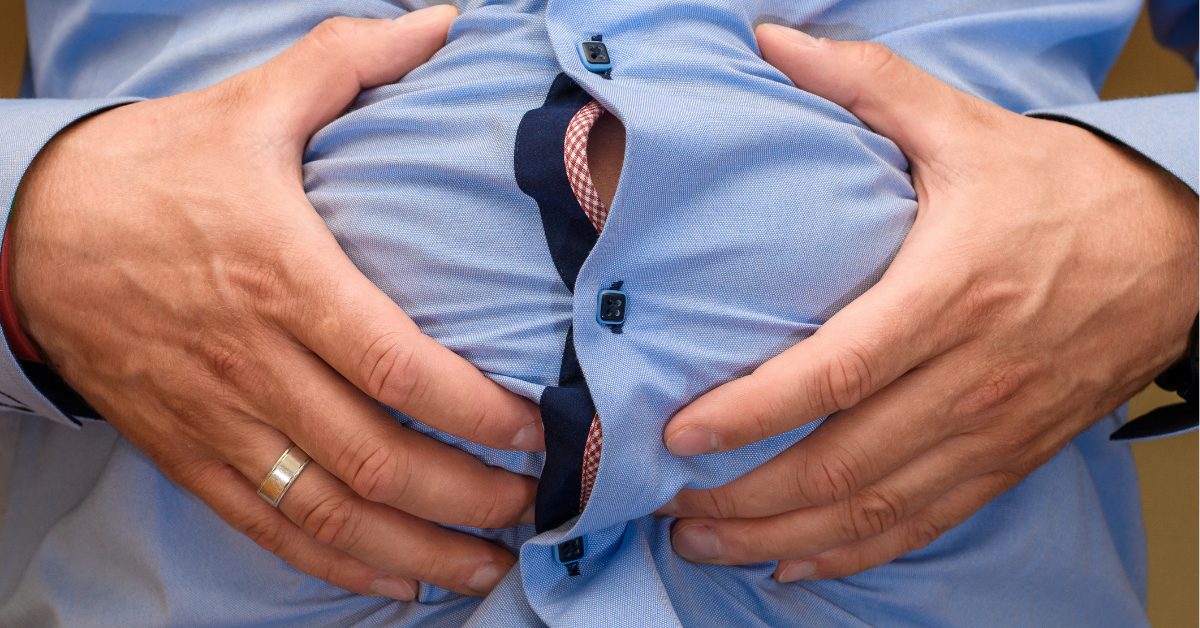
Between holiday parties and family get-togethers, the period between Thanksgiving and New Year’s Day comes with a steady stream of yummy things to eat and drink.
Eggnog, cookies, cakes, special cocktails, covered-dish dinners, turkey and the trimming, spiral-cut ham, Hoppin’ John — the temptations go on and on. On average, we’ll gain between half a pound to a pound and a half during the holidays, thanks to all the eating.
When it comes to holiday weight gain, there’s some good news and some bad news.
The good news is that we can do something to keep ourselves on the right side of the scale during the holidays. The bad news is that we’re also kind of wired to put on some pounds during the winter months.
“Lower sunlight means we’re less motivated to be active and more motivated to sit around inside,” says Dr. Mina Guirguis, a physician at Tidelands Health Family Medicine at The Market Common. “The biological piece of it is ‘less sunlight means more sugar cravings.’ ”
Here are four ways you can keep a handle on your love handles during the holidays:
This may seem like odd advice if you’re trying to avoid gaining weight, but the reality is that skipping meals now can cause you to eat more later. Making room for the holiday ham isn’t really a thing.
“People skip meals to save calories,” Dr. Guirguis says. “But more often than not it results in overeating.”
That’s because skipping a meal can mean you’re hungrier than you should be when it’s time to eat. Also, skipping meals can slow down your metabolism, making it harder to burn off the food that you do eat. While you’re at it, don’t skip sleep either. Seven to nine hours of shut-eye will help to keep you on an even keel between meals.
“Being mindful of portions will help you keep a handle on weight gain during the holidays,” Dr. Guirguis says.
That counts for both the size of individual servings and the mix of dishes. Keep your primary focus on proteins and veggies, particularly those high in fiber, to feel full sooner and to stay full longer. They’re also healthier for you.
While mashed potatoes, rice and gravy and mac-and-cheese are delicious, your body burns through them quickly. For people with diabetes, it’s even more crucial to pay attention to portions while limiting sugary foods and alcohol.
Staying active in spite of the chilly weather and short days can go a long way toward helping control your craving for sweets and other holiday goodies.
Whether you’re tossing a ball with kids in the yard or just taking a walk around the neighborhood, physical activity has multiple benefits.
First, it exposes your body to sunlight, helping to reset your biological clock and keep you from wanting to hunker down with a cup of cocoa and a whole pie. Second, it helps to moderate the surge of blood sugar that can come after a big meal.
“The best thing you can do after eating is go on a 10-minute walk to reduce that sugar spike,” Dr. Guirguis says.
For many of us, stress leads to eating. So, managing holiday stress goes hand-in-hand with managing holiday weight gain.
A friend’s perfect holiday display on social media got you feeling like the Grinch? Walk it off, literally – put your phone down and go for a quick loop around the neighborhood to unwind. A dozen screaming cousins making your temples throb? Step out back and take a few deep breaths.
In the end, as decades of movies and TV specials remind us, the holidays are about the people we love and the connections we’ve made more than the food, the decorations or the gifts.
“We tend to forget that the purpose of the holidays is being surrounded by our loved ones and not the tangible things, so to speak,” Dr. Guirguis says.