


Healthy, strong bones are a crucial part of remaining active and independent as we age. Keeping them that way can take a little more effort than when we were younger.
“Even if you’re super healthy, just aging means you’re losing hormones, and that’s causing you to lose good quality bone,” says Dr. Lisa Centilli, a provider at Tidelands Health Family Medicine at The Market Common.
Decreasing bone strength can lead to life-altering fractures that may happen with no warning, Dr. Centilli says.
“It often doesn’t have any symptoms until a fracture occurs,” she adds.
Many factors can reduce our bone strength over the years. Chronic health issues such as diabetes, behaviors such as smoking, chronic steroid use and a diet lacking in calcium and Vitamin D can decrease our bone health.
For women, menopause and the drop in estrogen that accompanies it may have the biggest impact on our bone health, leading to osteoporosis that can make bones fragile and prone to breaking.
So how do we increase our bone strength and compensate for those problems that come with age? There are a few options:
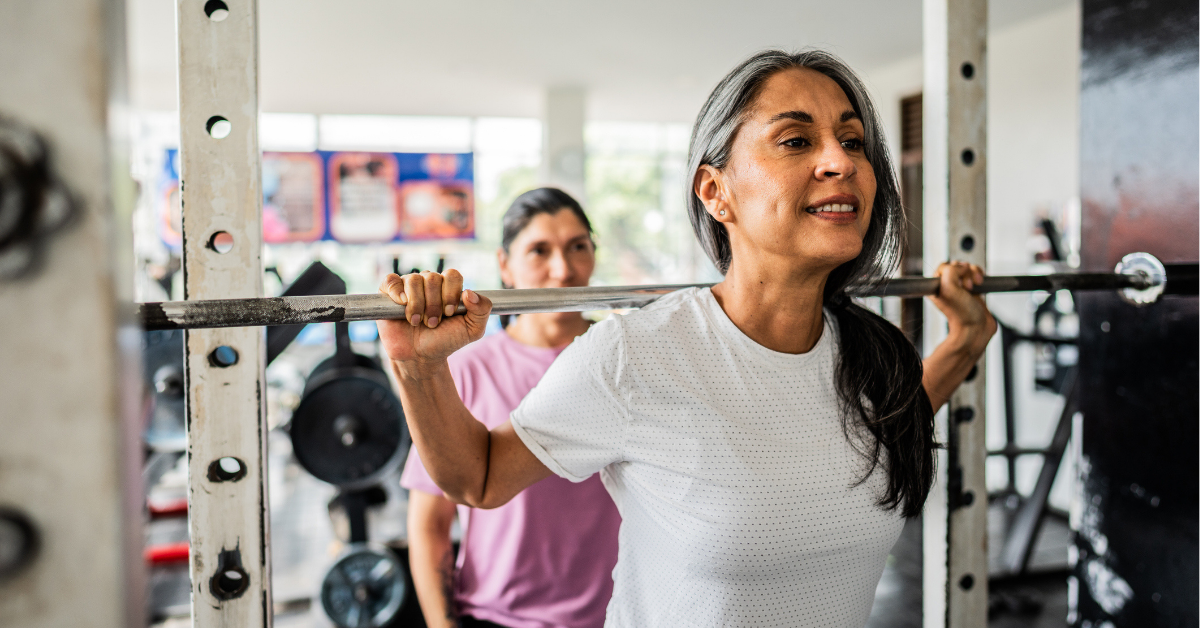
Weight-bearing exercises in particular help build bone strength by putting our bones to the test against their oldest adversary – gravity.
“A lot of people, as they age, tend to shy away from strength training, but that’s really important,” Dr. Centilli says.
Weightlifting is a straightforward way to keep our bones dense and strong, but even something as simple as walking can improve bone health. Weight bearing has the added benefit of building muscle, which can support our bones in the event of a fall.
Being inactive increases your risk of osteoporosis, falls and fractures. People over 65 should try to get 150 minutes of moderate-intensity exercise every week, with exercises to improve strength at least twice a week.
Our bones are built from calcium, so consuming calcium becomes a key way to help our bones stay strong and healthy. While we tend to get a lot of calcium as children, that drops as we get older.
You can boost calcium and Vitamin D intake by consuming dairy products or certain green vegetables, such as broccoli, or foods artificially fortified with calcium. The goal is to consume 1,000 to 1,200 milligrams a day.
A bone density scan can help you keep an eye on your bone health. Scans are recommended for women over 65 and men over 70. They measure bone density at the hip and spine.
“It’s non-invasive, kind of like an X-ray,” Dr. Centilli says. “It will tell you if you have osteoporosis or osteopenia.”
Osteopenia is the precursor to osteoporosis.
In the end, monitoring your bone health is an important way to protect both your health and your independence as you age, Dr. Centilli says.
“Preserving independence is super important,” she says.