


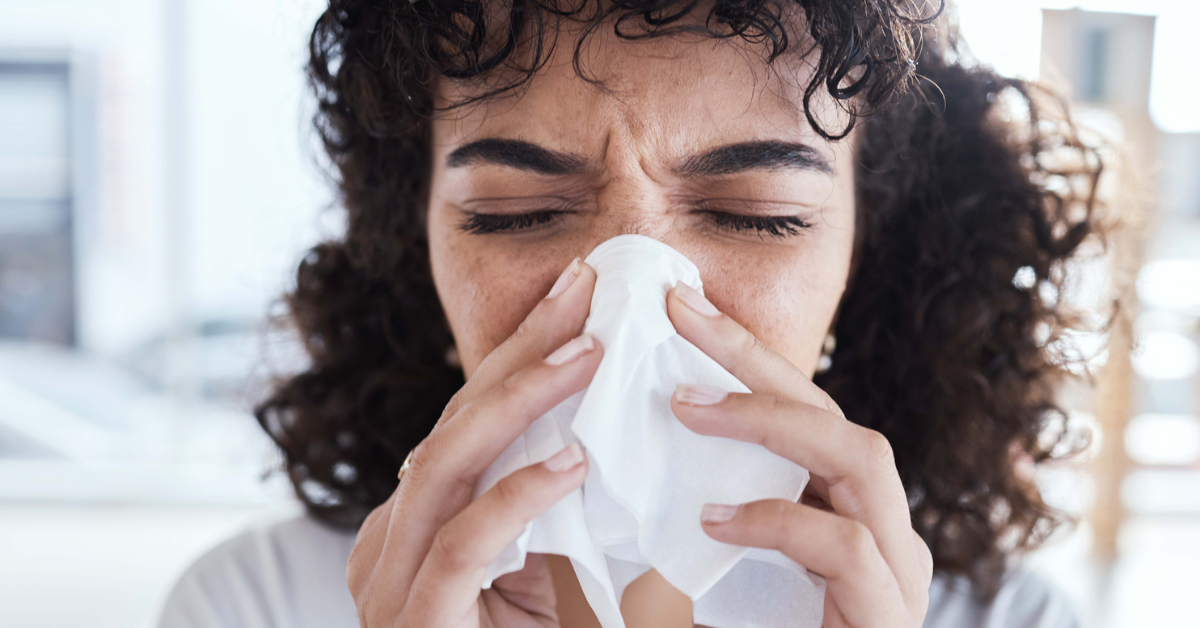
Respiratory viruses like flu, RSV, COVID-19 and the common cold are widespread during winter. With flu season peaking between December and February, according to the Centers for Disease Control and Prevention, Dr. Jack Sutcliffe, a physician with Tidelands Health Family Medicine at Pawleys Island, offers a few tips to help you guard against these viruses and limit their spread.
Proper hand hygiene is one of the simplest and most effective ways to prevent the spread of germs. The CDC recommends washing your hands with soap and water for at least 20 seconds, especially after being in public places or touching shared surfaces.
If soap and water aren’t available, use an alcohol-based hand sanitizer with at least 60 percent alcohol.
Germs can easily enter your body through your eyes, nose and mouth.
You are more susceptible to viruses entering the nasal cavity during colder months because the cold air reduces mucus secretions, which act as our body’s natural barrier to infection, Dr. Sutcliffe says.
Viruses can live on surfaces for hours or even days, so it’s important to regularly disinfect high-touch areas in your home and workspace, including doorknobs, light switches, keyboards and phones.
“Take extra care to clean surfaces that are frequently touched by multiple people,” says Dr. Sutcliffe. “This helps reduce the spread of germs, particularly if someone else is sick in the home.”
One of the most important things you can do to prevent spreading illness to others is stay home when you’re not feeling well.
“If you or your child are experiencing sick symptoms, like congestion, fever, sore throat or cough, please stay home and rest,” says Dr. Sutcliffe. “This not only helps you recover faster but also prevents the virus from spreading to your friends, family, classmates and co-workers.”
“One of the most effective ways to protect yourself from the flu is getting vaccinated,” says Dr. Sutcliffe. “The flu shot reduces your chances of getting sick with the flu and can reduce your severity of symptoms if you do get sick.”
The flu vaccine is recommended for everyone over 6 months old, especially those at higher risk of complications, such as older adults, pregnant women and individuals with underlying health conditions.
It’s also a good idea to check whether you’re due for any other vaccines such as the updated COVID-19 booster.
“Sleep is your body’s time to heal and regenerate,” Dr. Sutcliffe says. “If you’re not getting enough rest, it can weaken your immune system and make you more susceptible to infections.”
Aim for seven to nine hours of quality sleep every night.
Building a strong immune system is another key to staying healthy during flu season. It’s important to maintain a healthy lifestyle year-round.
“Eating a balanced diet rich in fruits and vegetables, staying physically active, getting enough sleep and managing stress all contribute to a stronger immune system,” Dr. Sutcliffe says. “These habits help your body fight off infections more effectively.”