


You spent years setting alarms, chasing deadlines, juggling responsibilities and maybe even raising a few kids. Retirement was the finish line, and you counted down the steps until you reached the banner, the cake and the balloons.
With the celebration came a time to finally rest, maybe check a few things off your bucket list or spend more time with those children who are now raising families of their own. But now that the pace has slowed, you may be asking yourself, “What now?”
For many retirees, the answer is simple. They show up and give back.
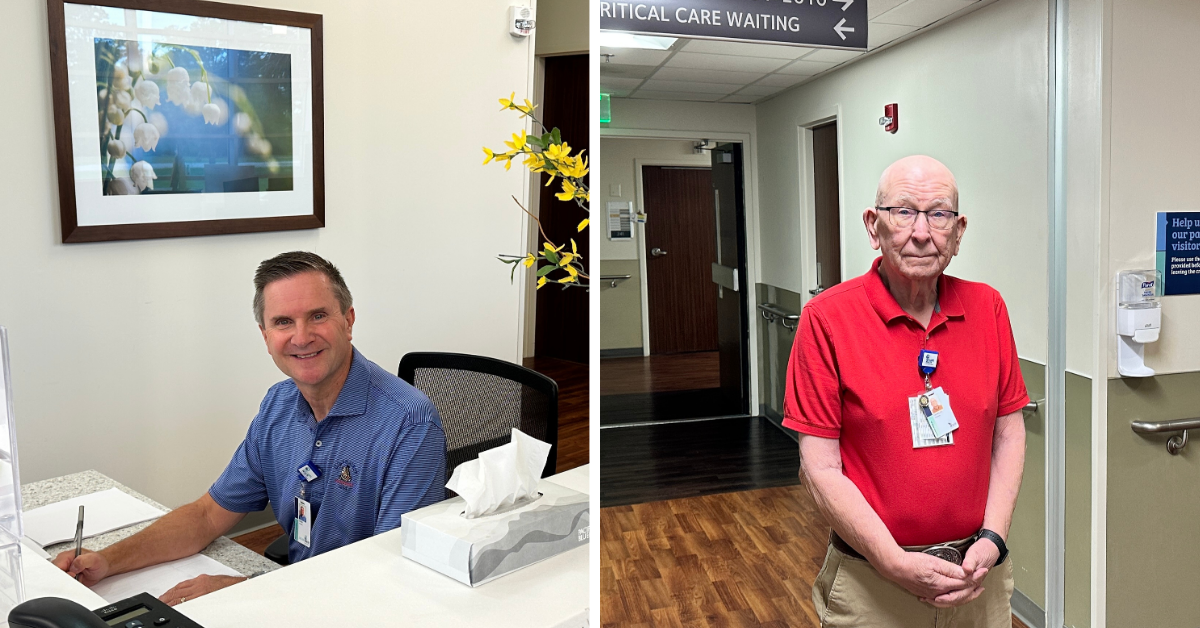
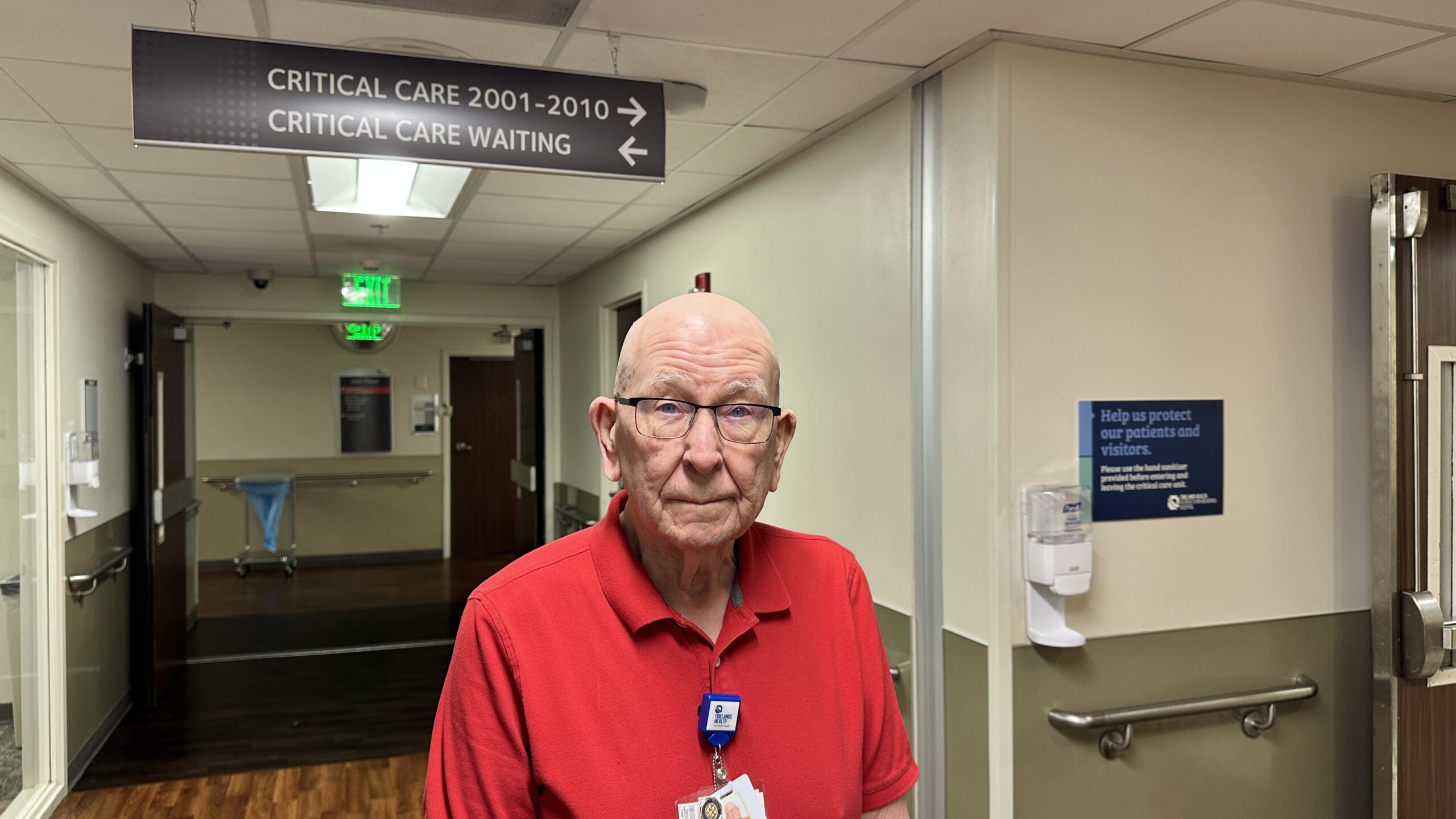
“When I retired from the Navy, I had to attend a five-day seminar, and the best piece of advice I got was that I needed to find something to do with my time and not just sit at home,” said Charles Clark, a volunteer at Tidelands Health.
Clark is one of the longest-serving volunteers at the not-for-profit health system. He’s been helping keep supplies stocked and rooms ready for patients in the critical care unit at Tidelands Georgetown Memorial Hospital since 2017.
The 79-year-old shows up three days a week to help, even coming in on holidays. The idea to volunteer came when he was delivering chocolates to the staff at Tidelands Georgetown to thank them for the care they provided to his wife, who passed away in November 2016 after an extensive illness.
“One of the nurses looked at me and said, ‘You’d be a good fit for a volunteer up here.’ I waved it off at first, but my stepdaughter pointed her finger at me and said, ‘You can’t sit in the chair and do nothing,’” Clark said. “So, I filled out the paperwork, and that’s how I ended up here.”
For Clark, volunteering leaves him with a sense of connection and accomplishment.
“It’s like having a job. That’s how I look at it,” Clark said. “I enjoy learning from the nurses and being part of the team.”

Heather Partridge, a behavioral health counselor at Tidelands Health, said volunteering or working a part-time job in retirement can lead to improved mental and physical health, reduced isolation and a stronger sense of purpose.
“Many retirees, especially those who had demanding and fulfilling careers, struggle with adjusting to retirement and feeling like they have lost their sense of purpose in life,” Partridge said. “Helping others can also reduce symptoms of depression.”
David Burker knows that firsthand.
“This has been the best medicine for me,” Burker said. “It keeps my mind active. I get engaged with other folks, and it keeps me physically active. This is the perfect fit for me.”
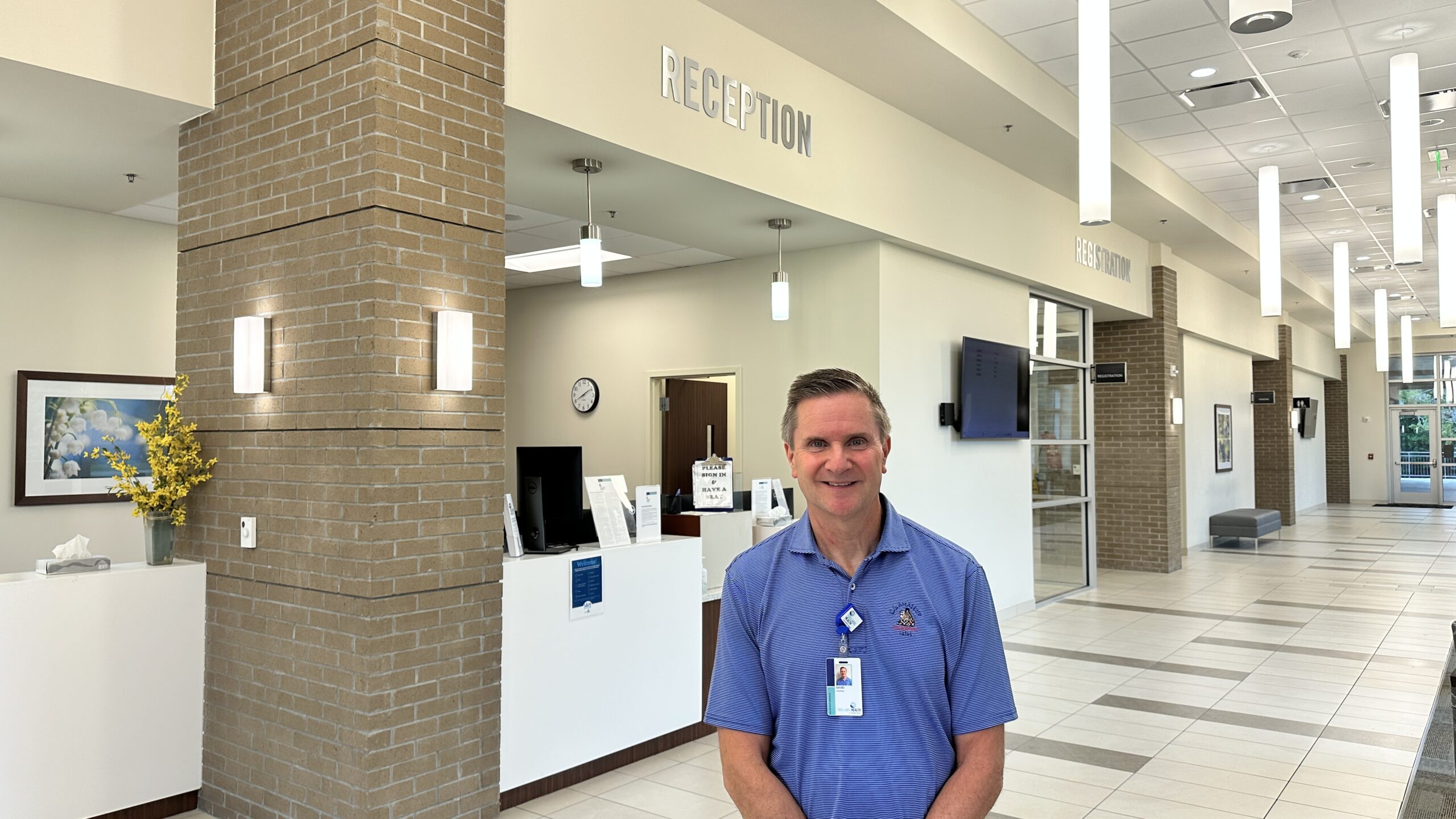
After more than 30 years of teaching elementary school in Pennsylvania, Burker and his wife retired to Pawleys Island. But just as they were preparing for a trip back north, Burker suffered a massive heart attack – what’s known as a widowmaker. He was rushed to Tidelands Waccamaw Community Hospital, stabilized and transferred to Tidelands Georgetown, where cardiologists discovered multiple blockages. The next morning, he underwent a double coronary bypass at MUSC Health.
“The folks at Tidelands Health saved my life, and I wanted to make sure that I had the opportunity to give back,” Burker said.
Now, Burker volunteers four to five days a week at Tidelands Georgetown, checking in patients at the Yawkey Surgical Pavilion and stocking carts so nurses can spend more time with those in their care.
At Tidelands Health, nearly 100 volunteers donate thousands of hours each year to support patients, families and staff in a wide range of roles from greeting visitors and assisting with surgical registration to stocking supplies and offering a comforting presence in waiting areas.
Learn more about volunteering opportunities at Tidelands Health here.