





We all experience it at times: feeling like you need to take a power nap to get through the day, wanting a third cup of coffee you know you shouldn’t have, collapsing into your bed at night but waking up after just a few hours of sleep.
Sometimes life is tiring — but how can you tell when feeling tired is a symptom of something more?
“Fatigue is one of the most common things that will bring someone to the doctor,” says Dr. Marie Hulsey, who sees patients at Tidelands Health Family Medicine at Georgetown.
Patients often use the words “fatigued” and “tired” interchangeably, but they can have different meanings to different people. However, feelings of exhaustion or persistent overtiredness that interfere with your regular activities are symptoms you should discuss with your doctor. It could have any number of causes.
Hormonal imbalances, heart or lung issues, vitamin deficiencies, psychological problems or illnesses like diabetes, anemia or infections are some of the possible causes of tiredness or fatigue. That’s why your doctor will likely order bloodwork and make sure you’re caught up on your regular screenings.
“We often end up ruling out a lot of possibilities,” Dr. Hulsey says. “The good news is that nothing serious is going on, but that can also be frustrating for patients. It leaves them wondering, ‘What now?’”
Here are four places to start if you’re feeling too tired.
Good sleep habits
Start by going back to the basics. Are you getting enough sleep?
“It’s crucial you get enough quality sleep,” Dr. Hulsey says. “Not sleeping with the TV on, not with your pet who moves around all night.”
Even if you think you can function with less, try to get at least seven hours of sleep a night. In addition, keep a regular bedtime and avoid eating or drinking before going to bed. Avoid hitting the snooze button too often or napping during the day.
Cut out caffeine by 2 p.m., even if you think it doesn’t affect you, to see if sleep improves.
Healthy diet
The foods you eat can have a bigger impact on your sleep than you may think.
Dr. Hulsey generally recommends patients follow the Mediterranean diet, which focuses on fruits and vegetables, whole grains and healthy fats. If you identify as a “meat-and-potatoes” kind of person, you may be missing out on nutrients that can help you get better sleep.
You could also try taking a multivitamin to fill any gaps. Your doctor will likely test for a vitamin D deficiency, which is common among older adults.
Regular exercise
Physical activity can help improve energy levels and sleep quality.
“Exercise is a natural mood and energy booster,” Dr. Hulsey says.
She recommends patients try high-intensity interval training, which isn’t as scary as it sounds. For some people, it could mean strenuous reps at the gym, but for others, it could mean taking a walk around your neighborhood and upping your pace to a power walk for a few seconds at a time.
Just don’t do it too close to bedtime because that can make it harder to fall asleep.
Manage stress
If you’re maintaining healthy habits and everything else seems fine physically, you may want to take stock of what’s going on at work or in other areas of your life. If you’re really stressed and overworked, it can affect all areas of your life, including your sleep.
It may be impossible to cut down on the stress itself, but you can try to counteract that with activities that de-stress you.
Maybe that’s enjoying a hobby or keeping a list of things that you’re grateful for.
“Make sure you’re taking time for yourself,” Dr. Hulsey says. “Think about what gives you purpose and energy, and set aside time to do those things.”




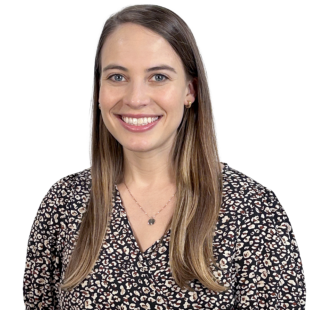
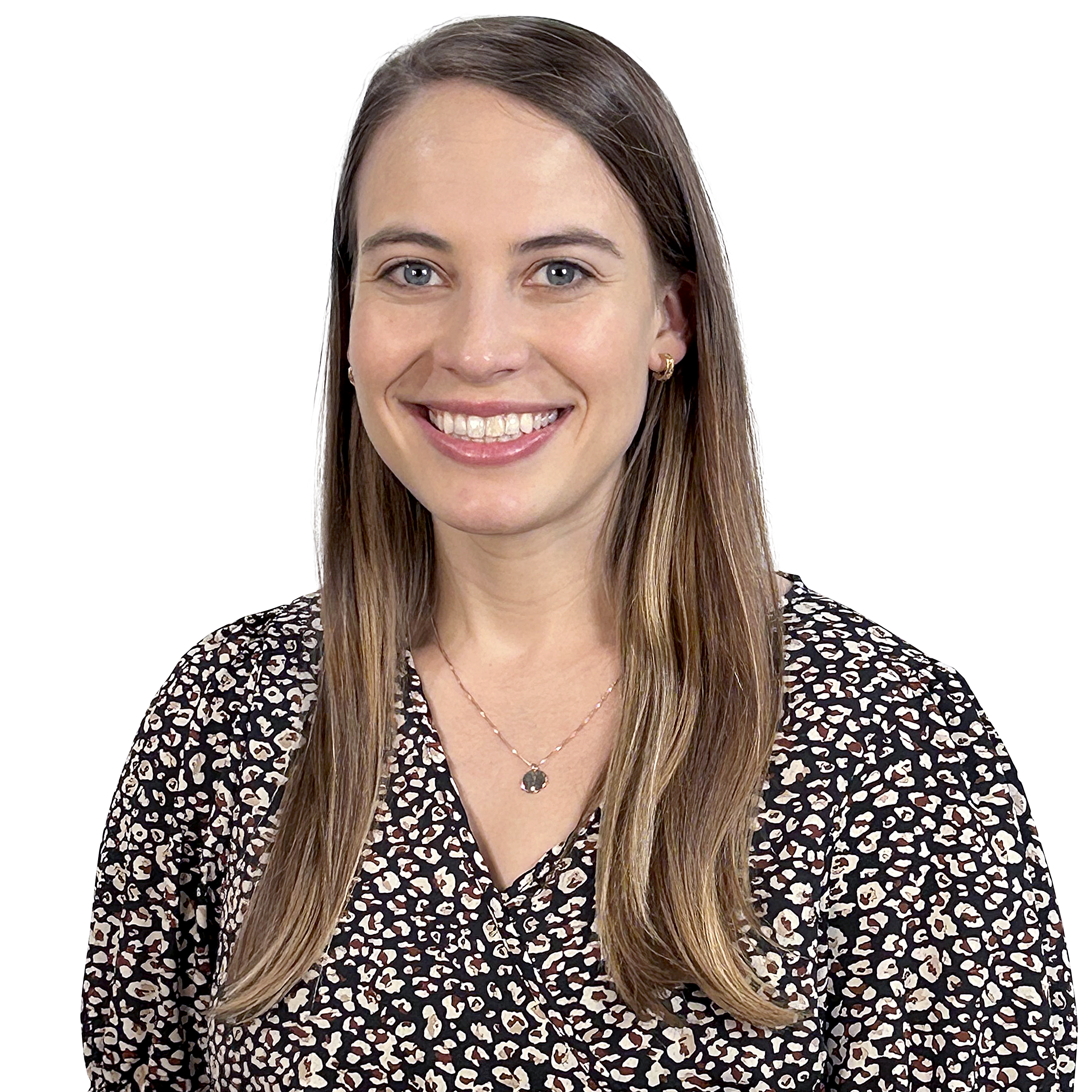
Dr. Marie Hulsey
Family medicine physician at Tidelands Health Family Medicine at Georgetown
Bio
Dr. Marie Hulsey sees patients at Tidelands Health Family Medicine at Georgetown. She partners with patients to provide wellness checkups, management of chronic conditions, treatments and more to help people live better lives through better health.
Learn MoreMedical Education
Education
Oregon Health Sciences University
Residency
Tidelands Health MUSC Family Medicine Residency

Meet the Expert
Dr. Marie Hulsey
Dr. Marie Hulsey sees patients at Tidelands Health Family Medicine at Georgetown. She partners with patients to provide wellness checkups, management of chronic conditions, treatments and more to help people live better lives through better health.