



Heart disease remains the leading cause of death in the United States, according to the Centers for Disease Control and Prevention. It’s referred to as the “silent killer” for a reason because it develops quietly over time, without symptoms, until a serious event like a heart attack occurs.
That’s where the coronary calcium scan, also referred to as a heart scan, can paint a clearer picture of your risk.
What is a heart scan?
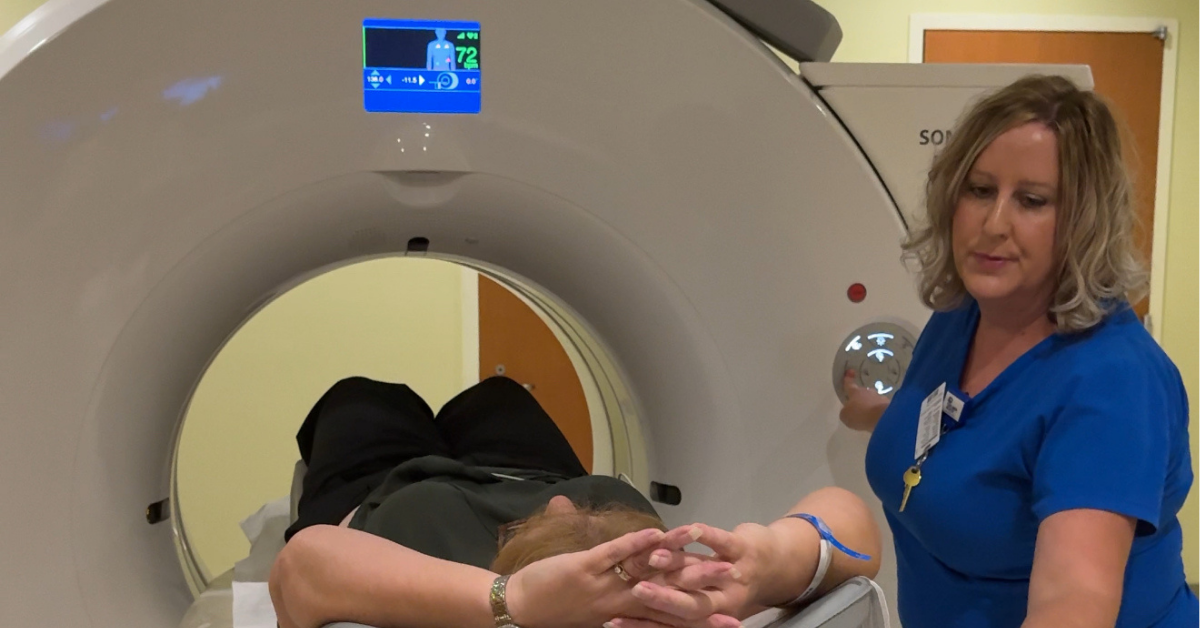
A CT scanner is used to detect calcified plaque in the coronary arteries – the vessels that supply blood to the heart. Plaque buildup occurs when someone has untreated high blood pressure or high cholesterol, they smoke, have diabetes, are inactive or have an unhealthy diet.
Unfortunately, once plaque builds up in the arteries, there’s no way to get rid of it. You can only prevent more from forming.
“If we see that calcium, we know early stages of atherosclerosis, or hardening of the arteries, are happening,” says Dr. Jacqueline Sennott, a cardiologist at Tidelands Health.
Dr. Sennott regularly refers at-risk patients for a heart scan, which is a non-invasive CT scan that lasts about 10 to 15 seconds. You remain fully clothed during the scan, and it doesn’t require you to drink any special fluids or be injected with dyes.
From the scan, you’ll get a number that reflects the amount of calcium in your arteries:
- 0: No detectable calcium; very low risk
- 1–99: Mild plaque; low to moderate risk
- 100–399: Moderate plaque; elevated risk
- 400+: Extensive plaque; high risk
“This test is a great tool for understanding long-term heart health,” says Dr. Sennott. “We often use it for patients at low to intermediate risk to see where they stand in terms of lifetime risk for coronary artery disease. For some people, especially those with risk factors like high cholesterol, it can really serve as a wake-up call, showing that plaque is already starting to form.”
Who should consider it?
You may be a candidate for a heart scan if you have at least one of the following risk factors:
- You smoke
- You are living with diabetes, high cholesterol or high blood pressure
- You have a family history of heart disease
- You are overweight or obese
“Age really plays a role when looking at calcium scores,” Dr. Sennott explains. “If someone is in their 70s or 80s and smokes, it’s normal to see some calcification in the heart arteries. Think of it like old plumbing – over time, pipes build up mineral deposits, and our arteries can do the same.”
Dr. Sennott says in contrast, someone in their 40s should have hardly any calcifications.
“If we do find calcifications, then we know we need to be more aggressive about controlling their overall cardiovascular risk factors,” she says.
Even if your arteries aren’t significantly blocked, a heart scan can still reveal early signs of coronary artery disease. This is important because more than half of all heart attacks occur in people whose arteries are less than 50 percent narrowed, a level that often goes undetected without imaging.
A heart scan requires a referral from your health care provider.




Dr. Jacqueline Sennott
Cardiologist at Tidelands Health Cardiology
Bio
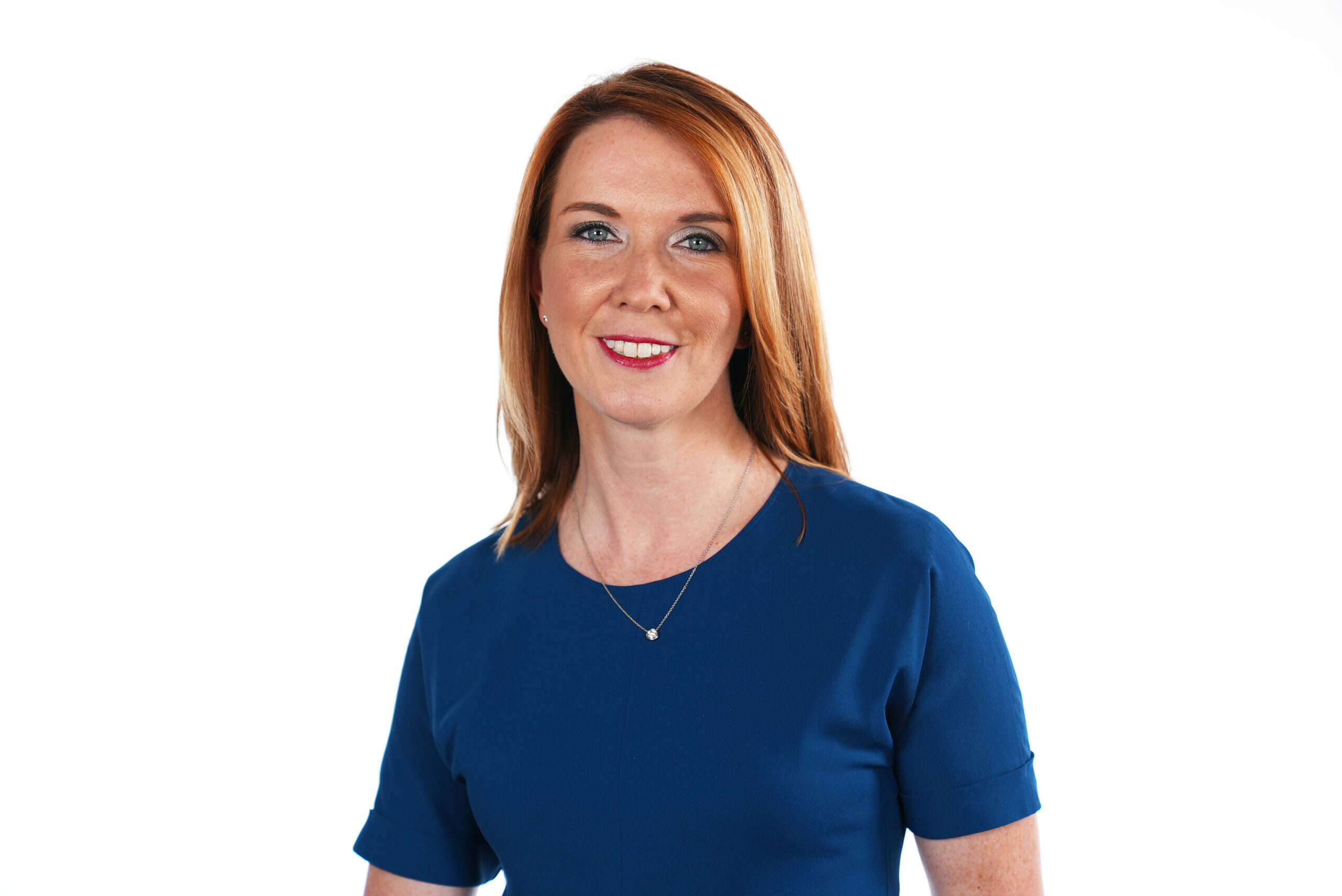
Dr. Jacqueline Sennott provides care and treatment for cardiac conditions, including arrhythmias, hypertension, coronary artery disease and more. She also provides cardiac monitoring, cardioversion, preventive cardiology and advanced cardiac imaging. She is accepting new patients.
Learn MoreMedical Education
Education
Arizona College of Osteopathic Medicine
Residency
DMC Huron Valley Sinai Hospital
Fellowship
Henry Ford Health System
Awards
Certifications
- American Board of Internal Medicine, internal medicine and cardiovascular disease.
- Certification Board of Nuclear Cardiology
- National Board of Echocardiography, adult echocardiography
Meet the Expert
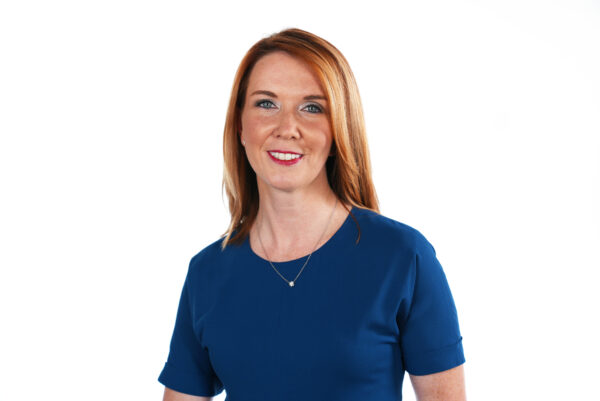
Dr. Jacqueline Sennott
Dr. Jacqueline Sennott provides care and treatment for cardiac conditions, including arrhythmias, hypertension, coronary artery disease and more. She also provides cardiac monitoring, cardioversion, preventive cardiology and advanced cardiac imaging. She is accepting new patients.