




A number of drownings and near drownings in the coastal region this summer has reminded many people of the importance of being safe around the water, both in the ocean and in the pool.
The most important things to remember: don’t overestimate your abilities in the water and don’t leave children unsupervised, says Jillian Kelly, a nurse practitioner with Tidelands Health Family Medicine at Prince Creek.
“You start hearing about these drownings, and they’re scary,” Kelly says.
But taking proper precautions can reduce the risk that you or a loved one may become a drowning victim.
Buddy up
Everyone in the water should have a partner to keep an eye on them, whether from the water, from the beach or poolside.
“Being alone is one of the high-risk factors for drowning,” Kelly says.
Drowning is the No.1 cause of death for children under 4 and the second-leading cause of death among children 5 to 14, according to the Centers for Disease Control and Prevention. Horseplay by teens and adults, such as dunking people, can contribute to drownings.
For small children, it’s especially important to have someone designated to watch them in and near water, says Kelly, who has three small children of her own. That’s because children often drown without making a sound. People who are drowning rarely flail their arms and cry for help, according to water safety experts.
In group settings, the American Red Cross recommends designating an adult as the “water watcher” to remain alert for problems.
Know your limits
It can be easy to get overwhelmed in the water, particularly in the ocean. For someone used to swimming in a pool or pond, the ocean’s tides and currents can be surprisingly powerful and can exhaust even a strong swimmer quickly.
Rip currents are a classic example. Swimmers who suddenly find themselves being carried away from the beach by a fast-moving rip current instinctively try to swim against it, often with tragic results.
The best way to escape a rip current is to swim perpendicular to it, or parallel to the beach, until it loses its grip.
It’s also important for people to understand their health conditions and how they might affect their abilities to survive in the water.
“With cardiovascular disease, some people don’t realize they have deconditioned over time,” Kelly says. “They forget that they’re 50, not 30.”
Along the same lines, it’s wise to stay sober around the water. By impairing judgment and coordination, intoxicants of any kind raise the risk of drowning, Kelly says.
Learn to swim
Swimming lessons can help reduce the risk by making people more competent in the water.
People who can’t swim or are weak swimmers should use flotation devices when in the water, preferably a life jacket/personal flotation device.
In partnership with Tidelands Health, YMCA of Coastal Carolina offers Safety Around Water, a program that focuses on water safety and self-rescue skills while reinforcing that water should be fun, not feared.
Tidelands Health is the exclusive health system partner of the YMCA of Coastal Carolina, including Claire Chapin Epps Family YMCA, Tidelands Health Pawleys Family YMCA and Tidelands Health Georgetown Family YMCA.
Together, the two organizations are providing the community with access to a broad variety of services and programs to improve health and wellness, including Safety Around Water classes.
Anyone who can’t swim needs to be extra cautious around the water, whether in the ocean or a pool, Kelly says.
“If you can’t swim, stay in areas of the water where you are able to stand with your head above water,” she adds.
View this post on Instagram



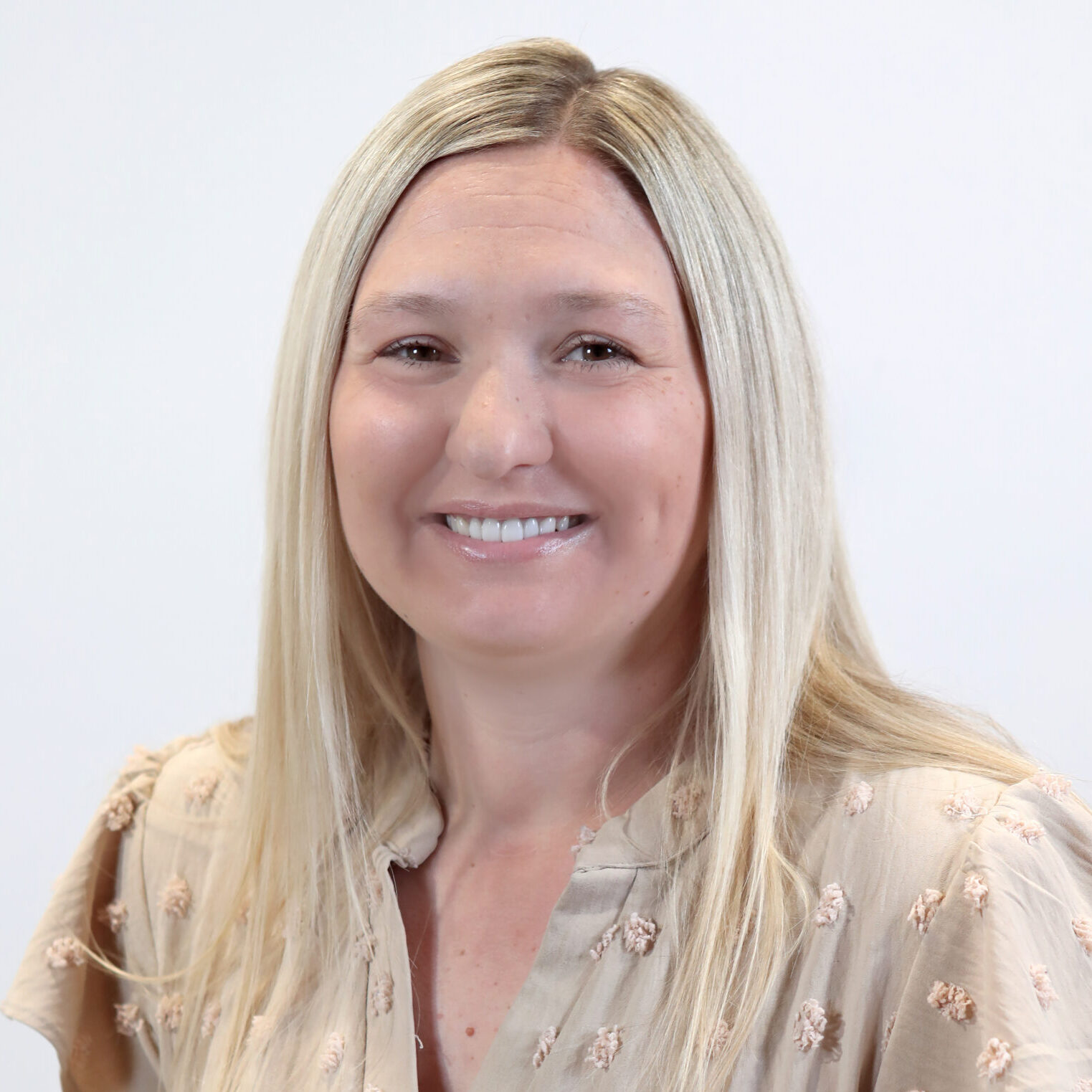
Jillian Kelly
Family nurse practitioner at Tidelands Health Family Medicine at Prince Creek
Bio
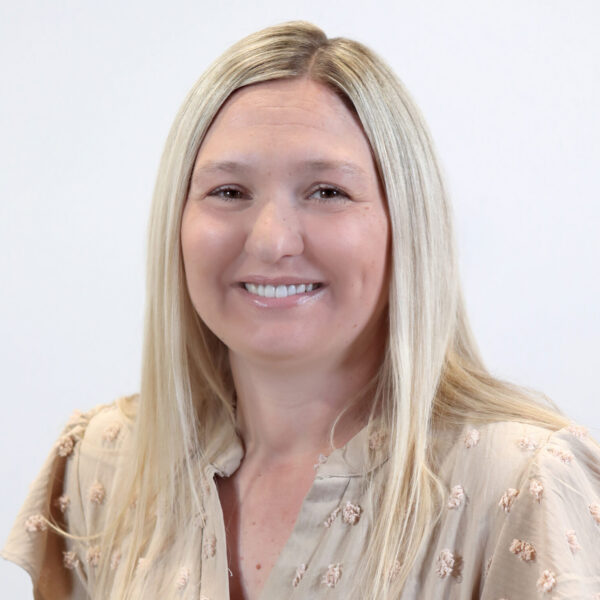
Jillian Kelly is a family nurse practitioner at Tidelands Health Family Medicine at Prince Creek. She is accepting new patients.
Learn MoreMedical Education
Education
State University of New York at Binghamton, Master of Science in Nursing
Meet the Expert
Jillian Kelly
Jillian Kelly is a family nurse practitioner at Tidelands Health Family Medicine at Prince Creek. She is accepting new patients.