



Do you shiver when the temperature dips? Do your fingers and toes start to tingle in the cold? That’s not just discomfort; it’s your body warning you about hypothermia.
Hypothermia happens when your body loses heat faster than it can produce it, causing your core temperature to drop below what’s needed for normal function. And it doesn’t take much—a decrease of just three or four degrees over time can put you at serious risk.
Even in South Carolina’s typically mild winters, hypothermia is a real threat. That’s why it’s essential to bundle up when the mercury falls, especially if you have health conditions that affect circulation or make it harder to sense cold, says Nichole Esteppe, a family nurse practitioner with Tidelands Health Family Medicine at Myrtle Beach.
“Hypothermia puts extra stress on your heart and lungs, and that can lead to death,” Esteppe says.
Signs of hypothermia
Hypothermia often begins with shivering, but symptoms can progress quickly. Common signs include:
- Drowsiness and fatigue
- Confusion or poor judgment
- Slurred speech
- Memory loss
- Loss of coordination in the hands and fingers
- Skin discoloration (pale or bluish)
As hypothermia worsens, shivering may stop, and breathing can become shallow. Severe cases can lead to unconsciousness and even death if untreated.
When symptoms start to develop, take action. Fortunately, a mild case of hypothermia is usually easy to treat by getting out of the cold and boosting your body heat with warm drinks, dry clothes or a blanket.
Severe cases should be treated as emergencies, and you should seek medical care as quickly as possible. Health care professionals may administer warm fluids intravenously and humidified oxygen through a mask. In extreme, near-death cases, doctors may even use a heart-lung machine to mechanically warm a person’s blood before returning it to their body.
Who is most at risk?
Certain health conditions can put you at risk of hypothermia, primarily because you may discount the threat or not realize something is wrong until it’s too late.
“People who run warm are at risk because they’re not going to realize that they’re actually colder than they feel,” Esteppe says.
Other health conditions, such as diabetes and obesity, can make you feel warm even in cold temperatures. Some medications have the same effect. Neuralgia in the feet and hands can make it difficult to sense when your extremities might be giving you a warning that things are not right.
Alcohol can make you feel warm, but it actually raises your risk of hypothermia. That’s because alcohol relaxes the small blood vessels in your skin, causing your body to release heat it should be directing toward its internal organs. Alcohol also relaxes your muscles, making it hard to shiver, and impairs your judgment in ways that could prevent you from realizing you’re having a problem.
Older adults, infants and children are also at an elevated risk of hypothermia.
“They don’t have the same amount of body fat as healthy adults to insulate them against the cold,” Esteppe says. “In general, they all have trouble regulating their body temperature.”
Is hypothermia a risk in South Carolina?
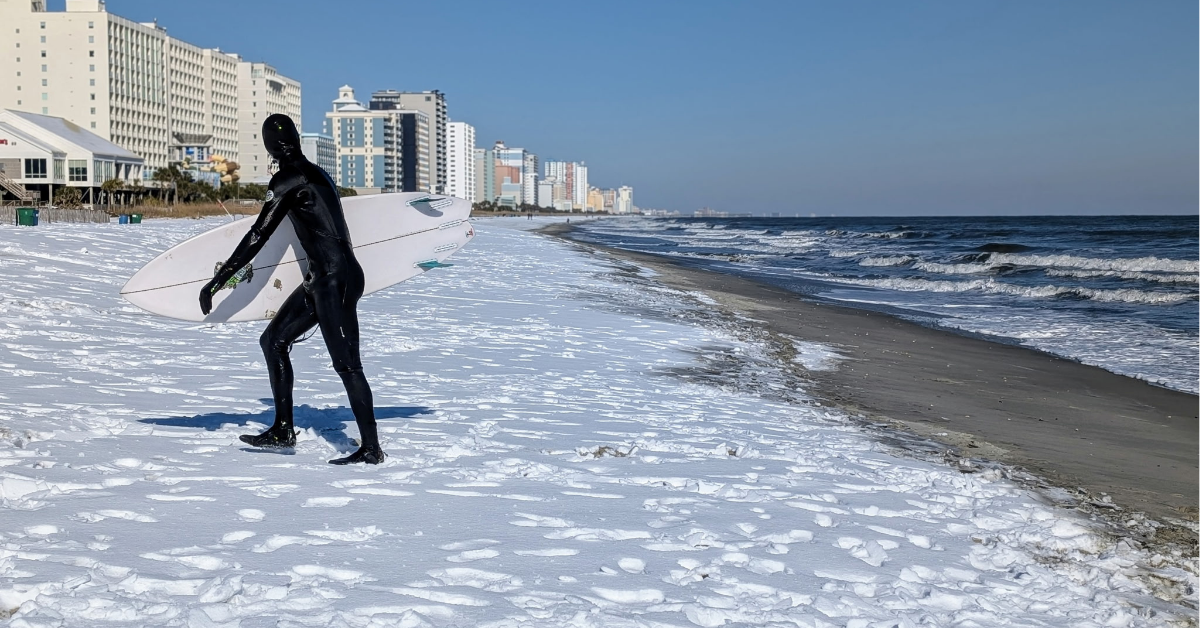
While hypothermia might seem more common in places where it snows and temperatures dip below freezing regularly, Grand Strand winters can also create the perfect conditions for a case of hypothermia because wind and moisture both wick away body heat from exposed skin.
Exercising outside during the winter or spending extended periods outside at winter events can put you at risk of hypothermia, as well. Even if you naturally run warm, bundling up is necessary to stay safe in the cold, Esteppe says.
Runners and others who exercise in the cold should remember to bring warm, dry clothes to wear after they stop exercising to avoid losing crucial body heat to the cold air.
“Wet and cold are not a good mix,” Esteppe says. “Holding on to dampness makes your body cooler.”


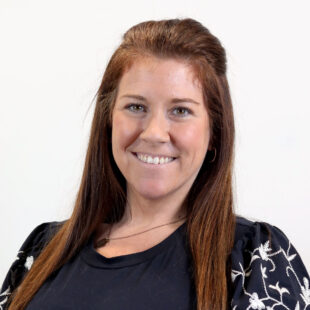

Nichole Esteppe
Family nurse practitioner at Tidelands Health Family Medicine at Myrtle Beach
Bio
Nichole Esteppe is a family nurse practitioner at Tidelands Health Family Medicine at Myrtle Beach.
Learn MoreMedical Education
Education
Chamberlain University, Master of Science in Nursing

Meet the Expert
Nichole Esteppe
Nichole Esteppe is a family nurse practitioner at Tidelands Health Family Medicine at Myrtle Beach.