



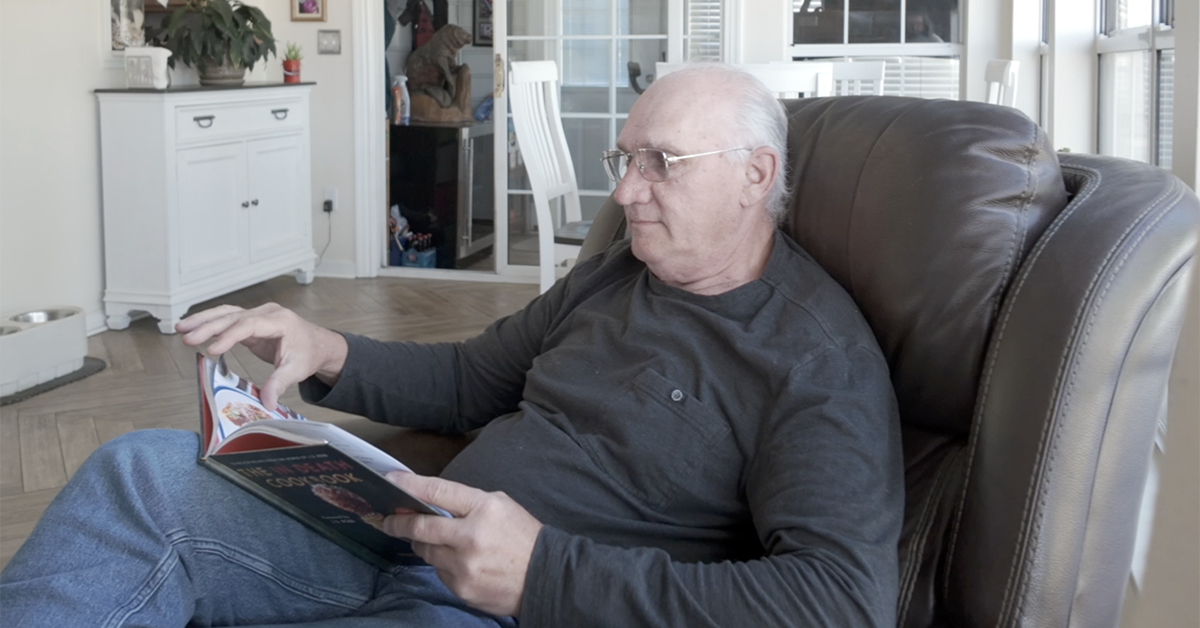

By the time many men reach their 60s, urinary symptoms can quietly creep into daily life, interrupting sleep, adding stress to travel and creating a constant need to be near a restroom.
For Robert Wright, those symptoms began in his early 50s. What he didn’t know then was that these frustrations were signs of benign prostatic hyperplasia, or BPH, an extremely common, non‑cancerous enlargement of the prostate that affects up to half of men his age and even more as they grow older.
Slow start
The 66-year-old’s symptoms started slowly. He noticed he wasn’t emptying his bladder as easily as before. The stream felt weaker. Nights became interrupted by multiple trips to the bathroom. He brushed it aside at first, thinking it was simply part of aging. But as the years passed, the symptoms became impossible to ignore.
“I wasn’t able to get a full night’s sleep,” he says. “Travel became stressful because I always had to plan for restroom stops.”
His primary care physician started him on medication, which helped alleviate his symptoms, especially overnight. But there was a catch.
Wright realized he felt significantly worse whenever he missed a dose. Relying on medication day after day, year after year, didn’t feel like a long‑term solution that was right for him.
“At my last annual check‑up, I asked my doctor if there was anything else I could try,” Wright says. That question led him to Dr. Lauren Cooley, a Tidelands Health urologist who specializes in treating BPH.
Dr. Cooley explained that the prostate often grows as men age. Because it sits just below the bladder and surrounds the urethra, even a small amount of extra tissue can restrict the flow of urine.
Symptoms like a weak stream, frequent urination, dribbling and the constant feeling of not fully emptying the bladder are extremely common, though many men feel uncomfortable talking about them.
“These are things that can be difficult to talk about, but they are also very common and also very treatable,” Dr. Cooley says.
Treatment for BPH
Dr. Cooley treats BPH using minimally invasive procedure called aquablation. Instead of relying on heat or surgical incisions, aquablation uses a precisely guided water jet to remove excess prostate tissue.
With robotic assistance and real‑time imaging, Dr. Cooley can customize the procedure to each patient’s anatomy while protecting surrounding structures.
“The goal is to improve the quality of life for these patients, to get them symptom relief without the need for those lifelong medications,” says Dr. Cooley.
Wright decided it was the obvious next step.
Positive results
From his pre‑op appointment to the moment he went home the same day of his procedure, he describes the care team at Tidelands Waccamaw Community Hospital as exceptional. After a few weeks, the symptoms that had dictated so much of his life began to fade.
“Within a couple of weeks, I noticed my urine stream was stronger,” he says. “No more dribbling.”
For the first time in years, he slept through the night without interruption. Travel no longer required planning around restrooms. Most importantly, Wright felt like himself again.
BPH can run in families, so Wright now shares his experience openly with his sons and brothers.
“If they ever start to notice symptoms, I tell them they should talk to their doctors,” he says.
Dr. Cooley agrees.
“Life doesn’t have to revolve around the restroom,” says Dr. Cooley “That doesn’t have to be your normal. Our care team is here to discuss your symptoms and your best options for treatment.”



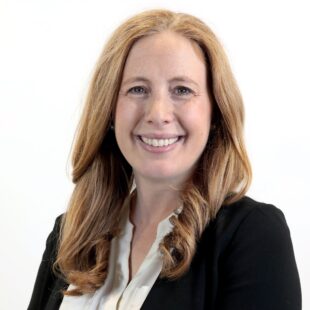

Dr. Lauren Cooley
Urologist and urological oncology specialist at Tidelands Health Urology
Bio
Dr. Lauren Cooley provides specialty care for a variety of conditions affecting the urinary system, including urologic cancers, enlarged prostate, kidney stones, urinary incontinence, urinary tract infections and more. She also performs minimally invasive robotic surgeries.
She sees patients at Tidelands Health Urology practices inside Tidelands Georgetown Memorial Hospital and Waccamaw Medical Park West in Murrells Inlet.
Learn MoreMedical Education
Education
Medical College of Virginia
Residency
Northwestern University, Feinberg School of Medicine
Fellowship
Northwestern University, Post-doctoral research in urologic urology
Awards
Honors and Awards
- Urology Care Foundation Resident Research Award, 2021
- Elisabeth Pickett Award, Society of Women in Urology, 2021
- Best Poster Award, Society of Urologic Oncology Annual Meeting, 2021
- Urology Care Foundation Travel Scholar Award, 2021
- Bipin Bhayani Research Award, Northwestern Department of Urology, 2021
- PSTP Scholar (Physician Scientist Training Program), 2020-2021
- Valedictorian of Medical School Class, 2017
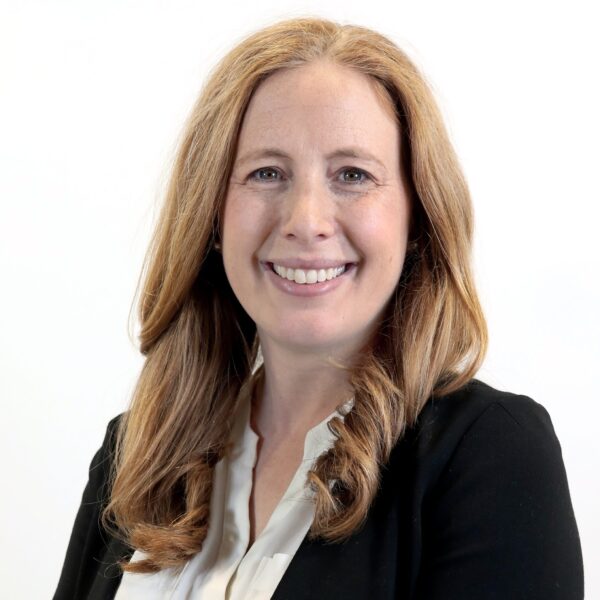
Meet the Expert
Dr. Lauren Cooley
Dr. Lauren Cooley provides specialty care for a variety of conditions affecting the urinary system, including urologic cancers, enlarged prostate, kidney stones, urinary incontinence, urinary tract infections and more. She also performs minimally invasive robotic surgeries.
She sees patients at Tidelands Health Urology practices inside Tidelands Georgetown Memorial Hospital and Waccamaw Medical Park West in Murrells Inlet.