



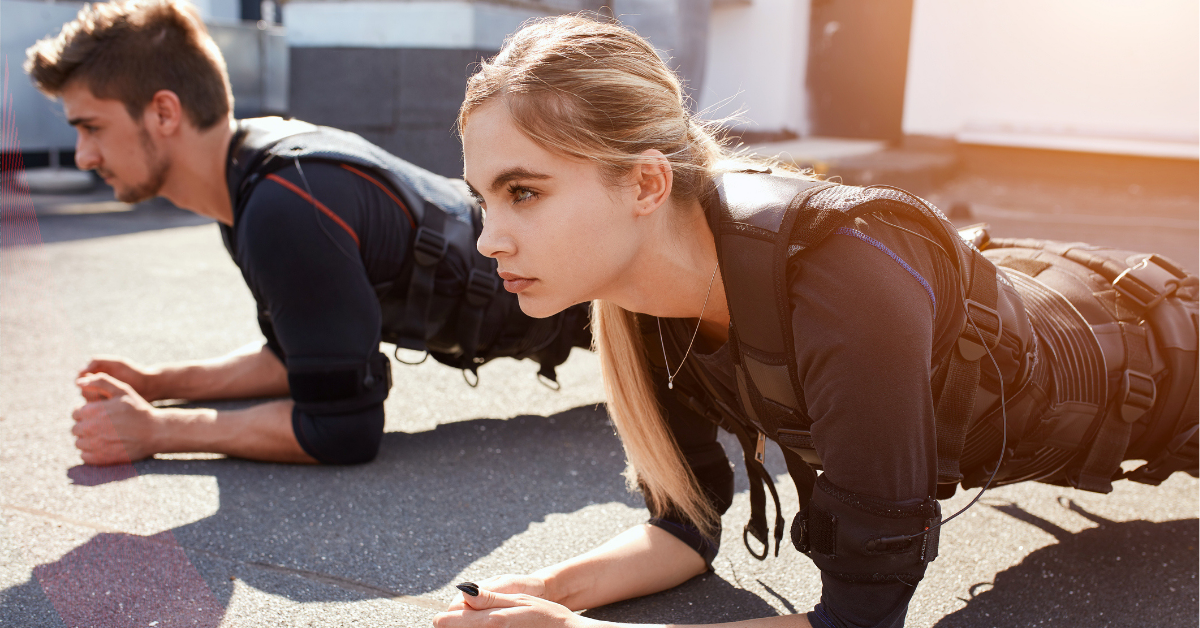

Dr. Henry Lau, a family and sports medicine physician at Tidelands Health Family Medicine at Myrtle Beach, learned of weighted vest strength training during his 22 years in the military.
“Before deployments in the Middle East, we trained with weighted vests to simulate the weight of bulletproof vests and other protective gear we were required to wear outside of the hospital,” Dr. Lau says.
The practice has become a trend in civilian workout routines, primarily for walking, running or body-weight strength training.
“As long as you’re using it safely, a weighted vest is an effective way to increase the efficiency of a workout,” says Dr. Lau. “You increase your cardiovascular load and burn more calories in the same amount of time. The result is toning and building strength and endurance, rather than muscle mass.”
Studies have shown that weight-bearing and high-impact exercises can improve bone strength in patients with osteoporosis. Weight-bearing training also helps strengthen bones, and a weighted vest increases the intensity of weight-bearing exercise.
How to safely work out with a weighted vest
Patients who are athletic or regularly physically active, without preexisting medical conditions, should be able to use a weighted vest safely in their normal activity, Dr. Lau says. He advises a conservative approach:
- Start with three to five percent of your total body weight in the vest and increase the weight slowly over time
- Begin with a 15- to 20-minute workout and gradually increase duration, monitoring your comfort level
- Watch the weight levels you use. Maximum added weight depends on the patient’s goals, fitness level and tolerance
Dr. Lau cautions patients to be careful of high-impact exercises such as box jumping or agility drills because the extra weight can be very hard on knees and ankles. In general, the safest exercises to do with a weighted vest:
- Walking and power walking
- Running
- Body weight strength training, such as pull-ups, sit-ups and push-ups
The fit of the weighted workout vest is key
When purchasing a weighted vest, the most important thing is the fit, Dr. Lau says.
“The vest should be snug. A vest that’s too loose can throw your balance off when you move, risking stress on joints or falls. A vest that’s too tight can pinch the chest and impede breathing during a workout,” Dr. Lau says.
When to consult a doctor about using a weighted workout vest:
- You are over 55 and do not exercise regularly
- You have osteoarthritis in weight-bearing joints
- You have known heart disease or structural heart disease
“Of course, if you try a weighted workout vest and experience pain in the joints, chest pain, shortness of breath, wheezing or dizziness, consult your physician before continuing,” Dr. Lau says.






Dr. Henry Lau
Family and sports medicine physician at Tidelands Health
Bio
Dr. Henry Lau is a board-certified, fellowship-trained family medicine and sports medicine physician at Tidelands Health Family Medicine at Holmestown Road in Myrtle Beach.
Learn MoreMedical Education
Education
Western University of Health Sciences
Residency
University of California Irvine School of Medicine
Fellowship
University of Nevada School of Medicine; primary care, sports medicine
Awards
Board Certifications:
American Board of Family Medicine

Meet the Expert
Dr. Henry Lau
Dr. Henry Lau is a board-certified, fellowship-trained family medicine and sports medicine physician at Tidelands Health Family Medicine at Holmestown Road in Myrtle Beach.