




Urinary tract infections are among the most common infections diagnosed among older adults, making them a leading cause of hospitalizations and deaths. The risk of developing UTIs increases as we age, which makes it important to know the signs and how to prevent them.
Ultimately, the increased risk of getting a UTI goes hand-in-hand with the declining strength of our immune system over the same period, says Dr. Lisa Centilli, a provider at Tidelands Health Family Medicine at The Market Common.
“Even if we’re aging well, we’re still aging,” she says.
And that means, it’s likely only a matter of time until a UTI finds us.
What causes a UTI?
UTIs can affect any part of our urinary system, from the kidneys through the bladder and down the urethra, where urine leaves the body. There are several potential causes of UTIs, but the top three are:
- The loss of estrogen in women throws off their body chemistry around their urethra
- The inability to fully empty the bladder in men, which could be caused by an enlarged prostate restricting urine flow
- The use of catheters
That last detail makes UTIs a frequent risk for patients in long-term care facilities, Dr. Centilli says.
While urine is sterile while it is in our body, a shift in body chemistry and a weakening immune system can allow harmful bacteria to invade our urinary system, Dr. Centilli says.
Things get more complicated when other problems, such as needing to get up more frequently at night to pee, mask the symptoms of an infection.
On top of that, our pain receptors also weaken with age, meaning we may not feel that burning or pain associated with UTIs like younger people do, she adds.
“The inflammatory signals are just blunted,” Dr. Centilli says.
Symptoms of a UTI
UTI symptoms in older adults also extend beyond the burning or painful urination common for younger people. In older adults, UTIs can also include symptoms such as:
- Pain or tenderness in the pelvis
- Lower back or abdomen
- Fever
- Nausea
- Fatigue
For people over the age of 70, UTIs can also cause confusion or disorientation, although those signs aren’t unique to UTIs.
“Diabetes, kidney disease, neurological disease – those all can muddy the picture, too,” Dr. Centilli says.
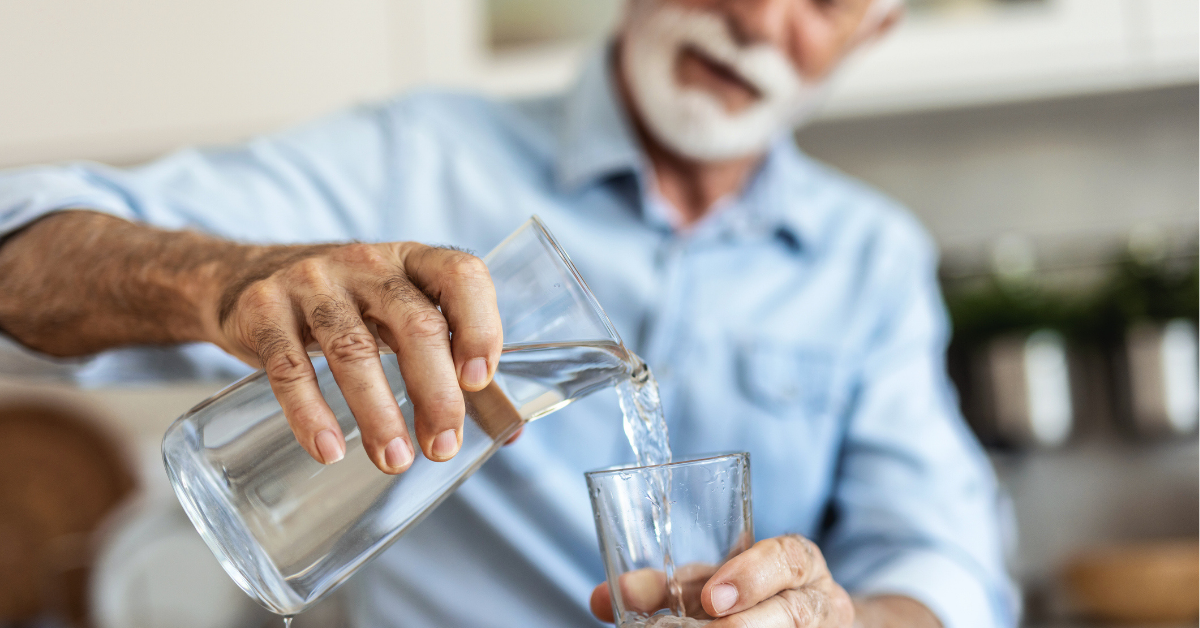
When it comes to reducing the risk of developing a UTI, the simplest prescription is to drink more water.
Men over the age of 51 should aim to drink 13 cups of fluid daily, and women in the same age range should aim for 9 cups, according to the National Academy of Medicine.
“Hydration is really important,” Dr. Centilli says. “Most elderly patients do not hit their fluid goals.”




Dr. Lisa Centilli
Family medicine physician at Tidelands Health Family Medicine at The Market Common
Bio
Dr. Lisa Centilli is a board-certified family medicine physician who offers a broad range of care to patients of all ages. She practices at Tidelands Health Family Medicine at The Market Common in Myrtle Beach.
Learn MoreMedical Education
Education
Michigan State
Residency
Henry Ford Hospital
Internship
Henry Ford Hospital
Meet the Expert
Dr. Lisa Centilli
Dr. Lisa Centilli is a board-certified family medicine physician who offers a broad range of care to patients of all ages. She practices at Tidelands Health Family Medicine at The Market Common in Myrtle Beach.